
Ten packs are not ten bottles the inventory mistake that compounds
Ten packs of water arrive. Someone enters ten units. Your records are now wrong before the first bottle is sold.

PUT THIS GUIDE TO WORK
Explore this topic with AI.
A clearer explanation. A useful checklist. A next step for your hotel.
Get a plain-English explanation with everyday hotel examples.
Opens a new tab with this guide and your question ready.
Ten packs of water arrive. Someone enters ten units. Your records are now wrong before the first bottle is sold.
How one receiving error becomes a stock mystery
A storekeeper receives ten packs of twelve bottles. The physical quantity is 120 bottles, but the entry says ten. Sales begin. Within a day the system may report negative stock, impossible variances or strange reorder signals. Staff then spend hours investigating a shortage that never happened.
The arithmetic is simple: received base units = number of packs × units in each pack. The problem is deciding which quantity each screen is asking for.
The right way to model inventory units
Choose a base unit for each product, such as bottle, can, sachet or piece. Allow receiving in the supplier’s packaging unit while converting to base units transparently. Show the conversion before saving: “10 packs × 12 bottles = 120 bottles.”
For example, ten cartons of soft drink containing 24 cans each represent 240 cans. Do not assume the same supplier will always send cartons of 24.
What happens when a pack size changes?
A new promotion may contain fourteen bottles instead of twelve. Keep the original receipt’s conversion factor with that receipt. Future deliveries can use a different factor. Retroactively rewriting old receipts would distort historical stock balances.
The screen should ask only when needed, and remember the last used pack definition as a suggestion rather than a silent rule.
Where to place checks
At receiving, display pack count, units per pack and total units. At internal transfer, show the sending and receiving unit. At stock count, let staff count full packs and loose items, then translate both into the base-unit total.
When the calculated quantity is unusually large or small, pause for a quick confirmation. A warning is cheaper than a month-end investigation.
How to correct a wrong receipt
Record an authorised correction with the original quantity, corrected quantity, reason and actor. Do not quietly replace the history if stock has already moved through sales or transfers.
After correction, reconcile the current physical count with all intervening movements before declaring the variance closed.
Keep reading
This is one part of a connected operating day. Read our related guide, “A leaking tap is never just a leaking tap”, for the next operational perspective.
GOOD QUESTIONS
Common
questions.
Still puzzling something out for your property? We’re happy to talk it through.
Ask the teamHow do I convert stock packs to units?
Should pack size be fixed for a product?

How to run a bar stock count that finds the gap
A count only helps if you know what you expected to find. Here is how to count bar stock, work out the variance, and decide what to do about it.
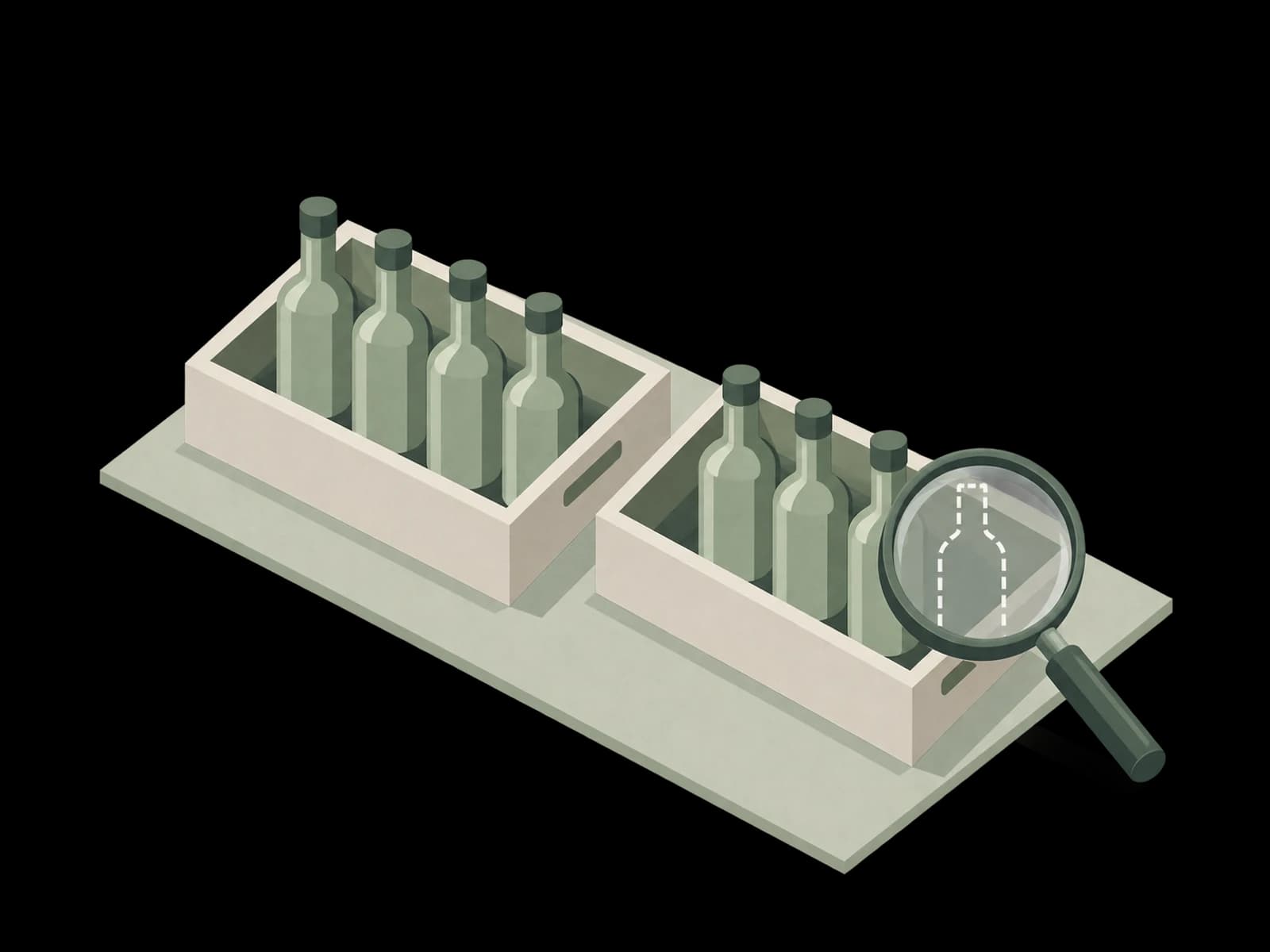
What a stock variance is telling you
A variance isn’t a verdict. It is a question about the gap between expected and counted stock. Here is how to read one before you react.

A reservation is not a room until the record agrees
One room. Two confirmations. Both guests are arriving. The mistake usually starts long before anyone notices the collision.